
The property industry has moved almost entirely online. And honestly? That's been a massive win for convenience. We’ve all seen how virtual tours and digital leases have simplified the process. But there’s a darker side to this shift that we need to talk about.
It's not just about the occasional fake listing anymore. We are now dealing with a sophisticated underground economy—phishing, identity theft, and fake payment networks that are getting better by the day. When these scams slip into corporate networks or large platforms, the damage isn't just financial; it’s a complete breakdown of trust. If we want to stay ahead of this, we have to stop looking at these as just 'technical issues' and start recognizing them for what they are: a direct threat to our clients' security. Let’s break down exactly how these scams are evolving—and, more importantly, how we can actually stop them.
The Vectors of Rental Fraud: How Scammers Exploit Digital Communication
Cybercriminals exploit consumer trust and systemic vulnerabilities across digital communication channels to orchestrate rental scams. These schemes typically rely on a combination of social engineering and technical evasion tactics.
Fake Rental Listings and Identity Theft
The baseline entry point for most rental fraud is creating a fraudulent listing. Cybercriminals scrape legitimate real estate websites to steal high-quality images, property descriptions, and address information. They then replicate these listings on alternative classified sites or social media marketplaces, offering the property at a slightly below-market rate to maximize lead generation.
This vector frequently double-functions as an identity theft operation. Before a prospective tenant even views the property, the scammer will demand a completed "rental application" via email or an unverified web form. These forms often request highly sensitive Personally Identifiable Information (PII), including:
- Social Security Numbers (SSNs)
- Driver’s license scans
- Bank account routing details
- Full employment histories
What happens to your data?
Once they’ve got your info, it doesn't just sit there. They’ll either sell it off on the dark web or use it to get into your bank accounts, guess your passwords, or straight-up take over your digital identity.
The Phishing Game: How they fool you
Once you reach out about a listing, the trap starts to close. Scammers will move the conversation to email or direct messages, and they’re incredibly good at playing the part.
They use tactics like "typosquatting"—registering domains that look almost identical to the real thing (think: an extra hyphen or a slightly misspelled name). To you, it looks like an official email from a property manager, but it’s actually a total fake.
And it gets worse. Experienced scammers don't just mimic a brand; they target the property managers themselves. If they manage to hijack a manager’s inbox, they can step right into an existing email thread you’re already having. At that point, they’re communicating as someone you’ve already been talking to, negotiating terms and sending instructions that look 100% legitimate. That’s how they turn a routine rental inquiry into a major security breach.
Anatomy of a Fraudulent Transaction: Payment Requests and Spoofing
The ultimate objective of rental fraud is unauthorized financial exfiltration. Because traditional wire transfers leave clear paper trails, modern scammers leverage alternative digital payment structures to bypass financial institution controls.
After establishing rapport through email impersonation, the attacker creates a false sense of urgency. Common high-pressure narratives include claims that multiple other applicants are prepared to sign the lease immediately, or that the "landlord" is currently out of the country and requires a holding deposit before scheduling a physical walk-through.
The payment requests are explicitly designed to be irreversible and difficult to trace. Scammers routinely direct victims to use:
- Peer-to-peer (P2P) mobile payment applications (e.g., Zelle, Venmo, Cash App)
- Cryptocurrency wallets
- Digital gift cards
- Wire transfers via non-bank financial institutions
To make these requests appear legitimate, attackers provide spoofed invoices complete with fabricated corporate logos, legalistic lease jargon, and terms of service that appear to be official escrow agreements.
Detection Matrix: Red Flags in Online Rental Communications
Identifying rental fraud requires a structured evaluation of digital indicators. The following matrix contrasts common scam methodologies, their specific warning signs, and the safer analytical protocols required to verify the authenticity of communications.
Fraud Vector | Common Scammer Methodology | Scam Indicators / Red Flags | Verification Protocol |
Listing Verification | Hijacking active or historical listings from legitimate real estate platforms. | Below-market pricing; blocked physical viewings; demands for upfront deposits. | Cross-reference addresses on official county property assessor portals; verify alternative active listings. |
Email Communication | Typosquatting domains and spoofed sender display names mimicking property groups. | Subtle variations in email domain syntax; mismatched "Reply-To" headers. | Analyze raw email headers for SPF, DKIM, and DMARC alignment; use out-of-band communication channels. |
Application Intake | Harvesting high-value PII via unencrypted channels or informal forms. | Demands for background checks or SSNs before any physical property tour. | Refuse to provide sensitive PII prior to validating the entity; utilize verified, encrypted applicant portals. |
Payment Invoicing | Demands for rapid financial execution via non-reversible digital channels. | High-pressure timelines; insistence on P2P apps, crypto, or gift cards to "hold" a slot. | Enforce multi-tier validation; utilize official corporate banking tracks; never pay cash or equivalents upfront. |
Defending the Digital Lease: Prevention and Protection Frameworks
Defending against rental fraud requires a blend of rigorous consumer habits and robust enterprise architecture for organizations operating within the housing marketplace.
Advanced Authentication and Gateway Security
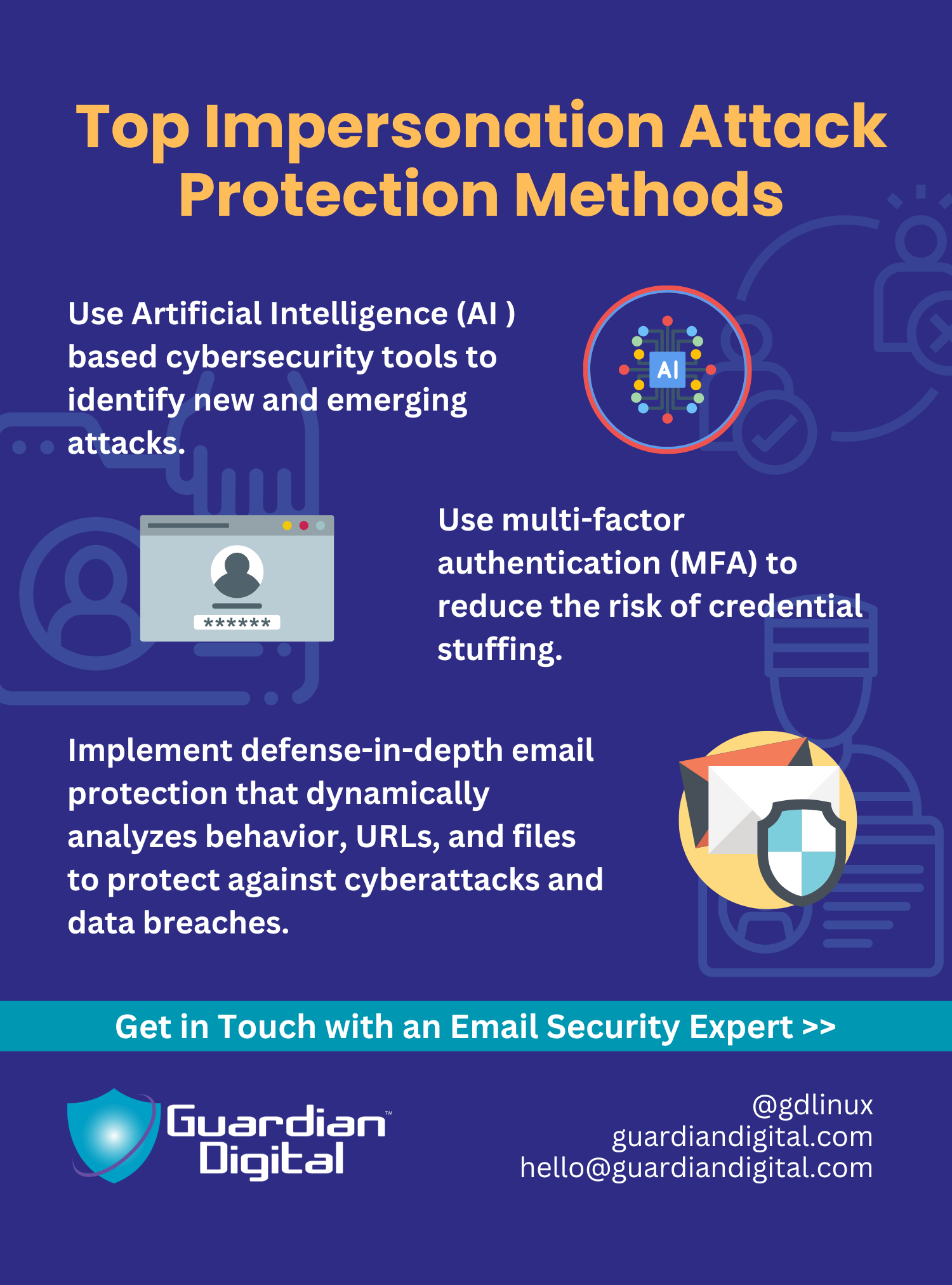
For corporate property management firms and digital listing enterprises, defending the communication surface area is a continuous requirement. Organizations must enforce strict multi-factor authentication (MFA) protocols alongside Conditional Access policies to prevent the inbox takeovers that fuel downstream tenant scams. To prevent both incoming and outgoing domain impersonation, organizations must strengthen their mail systems by properly aligning baseline authentication protocols such as SPF, DKIM, and DMARC.
Managing these shifting technical configurations and tracking anomalous lateral movement across corporate cloud networks often strains internal IT groups. For organizations handling high volumes of consumer records and financial transactions, outsourcing baseline network visibility to specialized managed security services can close critical oversight gaps, ensuring that credential anomalies and sophisticated phishing attempts are intercepted before they touch a prospective tenant.
Operational Hygiene for Prospective Tenants
For individual consumers, digital safety relies on establishing consistent, repeatable verification routines:
- Enforce Out-of-Band Verification: Never trust the contact information provided within an unsolicited or unverified email thread. Look up the property management firm's public phone number or physical office location, and call them directly to confirm the listing's validity.
- Inspect Raw Email Attributes: Train yourself to look past the display name of an incoming message. Expand the sender field to inspect the exact domain string. Look for hidden hyphens, transposed characters, or domains hosted on unusual top-level extensions (e.g., .net or .biz instead of a verified corporate .com).
- Mandate Physical Escort: Do not transfer capital for any property you or a trusted representative have not physically toured internally. Scammers frequently provide elaborate excuses for why a unit cannot be viewed in person, often offering "lockbox codes" or virtual videos that do not prove lawful possession of the space.
- Audit Digital Forms: Before entering an SSN or financial routing details into a form, verify the webpage's security posture. Confirm the presence of transport-layer encryption (HTTPS) and ensure the hosting domain aligns perfectly with the legitimate corporate group.
Cultivating a Posture of Digital Skepticism
Rental scams work because they prey on two things we’re all familiar with: the hunt for a good deal and the stress of a fast-moving market. Scammers know that if they dangle a 'perfect' apartment and make you feel like you’re about to lose it, you’re much more likely to ignore the red flags.
However, every digital transaction leaves a technical footprint. By applying a structured validation framework to online real estate listings, evaluating email infrastructure attributes for spoofing indicators, and refusing to execute unverified digital payment requests, consumers and property managers can significantly reduce the attack surface.
Ultimately, cyber defense in the digital leasing space requires an unyielding commitment to verification. Treat every unexplained urgency, shifted domain, or restrictive viewing policy not as an administrative quirk, but as a critical behavioral indicator of potential cyber fraud.


 NEXT
NEXT 
Other FAQs
- Exploring Malicious Code Risks: Strategies for Email Safety
- Proven Strategies for Effective Malware Removal on Windows Computers
- Why Outsourcing Email Security is Critical for Modern Businesses
- Comprehensive Guide to Safeguarding Against Domain Spoofing Threats
- Effective Strategies to Combat Insider Threats in the Workplace
- Strategies for Email Authentication to Counter CEO Impersonation
- Critical Factors for Selecting Email Security Solutions in Business
- Harnessing Managed Security Services for Enhanced Cybersecurity Vigilance
- Effective Penetration Testing Techniques for Cybersecurity Enhancement
- Managed SIEM Solutions: Boosting Email Security for Small Businesses

Join Our Community
of Readers!