For decades, the high-pressure break-fix paradigm has driven the operations of corporate IT departments. When a server crashed or a network choke point stalled the process, a deluge of alerts would flood help desks, triggering engineers to scramble in a post-facto effort to identify the root cause.
These traditional frameworks are buckling under the complexity of modern infrastructure. The sheer volume of telemetry data, cloud microservices, and distributed endpoints has created an operational environment that is just too fast for manual human intervention alone.
What really bottlenecks a modern systems administrator today is not execution speed, but cognitive speed. Human teams sifting through logs and cross-referencing disconnected warning systems for hours are inevitably lagging. 
As a result, forward-thinking enterprises are moving towards intelligent orchestration, which is fundamentally redefining what it means to respond to an operational crisis.
The Evolution to Autonomous Triage
The biggest change in operations is how departments view incoming system anomalies. The biggest change in operations is how departments view incoming system anomalies. Advanced infrastructure models system failures in real-time using deep learning to classify, contextualize, and prioritize system failures, instead of equal urgency for each ticket.
Organizations are moving away from rigid rule-based scripts to context-aware systems. An autonomous IT agent ingests incoming telemetry, correlates disparate alerts into a single cohesive timeline, and resolves the underlying issue end-to-end on the affected device in many instances.
By automating the data gathering phase, technical teams remove the administrative friction that normally extends resolution times. Instead of spending precious minutes running basic diagnostic commands, engineers are presented with a detailed summary that tells them exactly what went wrong and what dependencies are impacted.
This move from passively observing to actively contextualizing is the basis of modern system resilience.
Autonomous Swarm Controls
Introduction of intelligent systems changes the basic role of systems engineer. Instead of writing and executing individual fixes by hand, professionals are moving into a supervisory role that involves managing many simultaneous, autonomous threads solving problems at the same time. This structural change is rewriting incident response within the global technology space.
Many specialized digital agents deploy in parallel to analyze disjoint layers of the infrastructure stack in the event of a complex anomaly, significantly compressing the mean time to repair.
This change frees human intelligence to focus entirely on architecture and strategic problem solving. The machine layers are responsible for the boring, high-volume stuff, like restarting frozen services or tweaking load balancers. Humans make the high-level decisions about system risk and policy enforcement.
The result is a highly scalable operating model that can accommodate massive growth in infrastructure without a linear increase in headcount.
Mitigating Modern Security Vectors
As corporate environments become more automated, the perimeter of digital risk moves with them. The widespread adoption of automated tooling introduces its own variables that security teams need to be wary of. 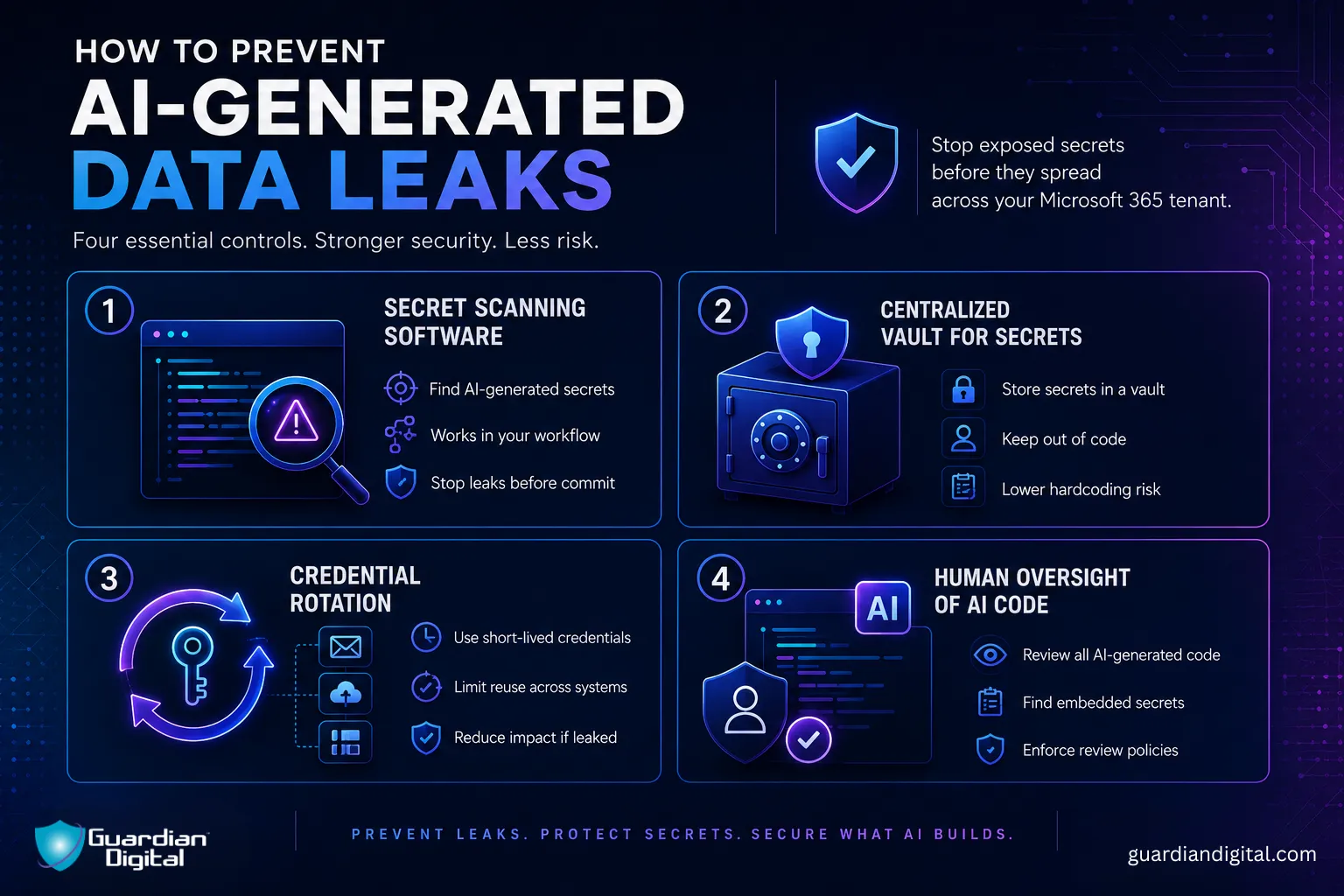
For example, using an AI coding assistant can cause email data leaks if sensitive credentials or private communications are accidentally ingested into training loops or leaked through automated scripts. IT leaders need to put in place data governance policies to ensure that automated efficiency does not come at the expense of corporate confidentiality.
Modern incident response must be able to defend against machine-speed automated threats, in addition to internal oversight. Traditional signature-based detection methods are utterly useless against modern polymorphic malware strains.
With AI ransomware protection systems, departments can identify behavioral anomalies, such as sudden patterns of file encryption, in milliseconds. The only practical way to protect against today's cyber threats is to automatically quarantine infected nodes before a payload can spread across the network.
Smart Automation to Overcome Resource Scarcity
The constant global shortage of specialized technical talent puts enormous strain on current corporate networks. Small teams often get bogged down in the sheer volume of day-to-day maintenance tasks, leaving little to no time for proactive security hardening or infrastructure upgrades.
Industry leaders are finding that deploying autonomous software layers is a very effective way to address these human constraints. By understanding how AI agents bridge the IT skills gap, organizations can ensure perfect uptime even when recruitment is hard across the country.
These digital workers are relentless force multipliers for internal staff. Smart systems take the burden of the mundane tier-one and tier-two help desk questions, allowing the existing staff to pursue advanced certifications and higher-value engineering initiatives.
Through autonomy, platforms are changing the unit economics of corporate technology management to address the global IT talent shortage. The aim is not only to hire more people but to increase the operational capacity of current engineers.
The future of enterprise IT strategy
The truth is, intelligent automation is being woven into the fabric of enterprise technology organizations.
Organizations that continue to cling to the old reactive methodologies will surely run into operational inefficiency, longer downtime, and higher employee burnout rates. An automated approach to system resilience enables companies to safeguard their digital infrastructure while continuing to innovate in their business.
The IT departments that have found a way to balance human creativity with machine precision will be the most successful in the future.
By delegating repetitive data sorting and routine remediation to intelligent software, technical teams can return to being strategic business drivers. This technological evolution does not diminish the importance of human engineers; it raises their work to an entirely new level of professional impact.


 NEXT
NEXT 
Other FAQs
- Exploring Malicious Code Risks: Strategies for Email Safety
- Proven Strategies for Effective Malware Removal on Windows Computers
- Why Outsourcing Email Security is Critical for Modern Businesses
- Comprehensive Guide to Safeguarding Against Domain Spoofing Threats
- Effective Strategies to Combat Insider Threats in the Workplace
- Strategies for Email Authentication to Counter CEO Impersonation
- Critical Factors for Selecting Email Security Solutions in Business
- Harnessing Managed Security Services for Enhanced Cybersecurity Vigilance
- Effective Penetration Testing Techniques for Cybersecurity Enhancement
- Managed SIEM Solutions: Boosting Email Security for Small Businesses

Join Our Community
of Readers!