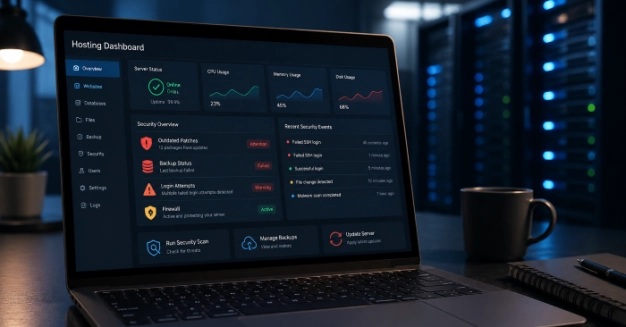
Cost is usually the first thing on the list when a business starts shopping for hosting. For startups, small teams, and solo developers, finding a way to keep monthly overhead low is just part of the job. Whether you’re hunting for shared hosting, a dedicated server, or just trying to find a provider that takes PayPal to keep your accounting simple, the temptation to pick the cheapest option is real. But there is a catch: when you prioritize the price tag above everything else, you often end up inheriting a whole lot of hidden security risks.
It’s worth digging into what those "budget" trade-offs actually mean. If you want to protect your data, your employees, and your customers, you have to look past the monthly bill and figure out what’s actually happening behind the scenes.
The Real Price of "Budget" Hosting
Most low-cost hosting plans are popular for one reason: they are cheap. But that low price usually comes with a trade-off. To keep those margins thin, some companies have to cut corners on the things you can’t see—like consistent security monitoring, hardware upgrades, and reliable, up-to-date backup systems.
Anyone who works in cybersecurity will tell you that true protection doesn't come cheap. It requires constant, hands-on effort: patching software, managing firewalls, running vulnerability scans, and having an actual plan for when something goes wrong. That kind of work takes both high-end technology and skilled people to run it. When a hosting provider stops investing in those areas to keep their prices low, you aren’t really saving money—you’re just delaying a much more expensive problem.
If you’re looking for a hosting solution that doesn’t force you to choose between your budget and your peace of mind, you can check out your options for a VPS with PayPal payment.
Oversold Shared Hosting And Why It’s a Problem
To maximize revenue, some hosting providers rent a single physical server to a large number of customers, a practice known as overselling.
One thing worth noting is that shared hosting isn’t inherently insecure; however, excessive overselling might make it so by introducing additional concerns.
First, performance instability and even a decrease are likely with shared hosting: when too many websites compete for limited resources, servers will inevitably experience slowdowns, crashes, or incidents of unavailability. Second, poorly configured server environments can increase exposure to cross-account attacks. Improperly managed systems may allow attackers to exploit vulnerabilities that affect neighboring user environments. A compromised website on the same physical server could create risks for customers using another website if the security measures are weak or outdated.
6 Common Issues With Low-Cost Hosting
There are widespread issues associated with low-cost hosting, which we think you should know.
1. Delayed Updates and Patch Management
Poor updating and patch management are one of the most common cybersecurity issues in low-cost hosting environments. Let’s look at how this works.
Every server relies on multiple software components such as operating systems, control panels, databases, security applications, and content management systems. In any of these components, vulnerabilities can be present. Software vendors regularly release patches to address said vulnerabilities, while cybercriminals closely monitor these updates to find exploits they can use. They often use automated scanning tools to identify vulnerable systems across the internet.
If a hosting provider delays updates, customer websites may remain exposed to known security vulnerabilities for unspecified periods of time. Outdated infrastructure is likely to face increased risks of malware infection, unauthorized access, ransomware attacks, and data breaches.
2. Underdeveloped Disaster Recovery Procedures
Data loss isn’t always caused by cyberattacks. It can happen due to hardware failures, software corruption, accidental deletions, and configuration issues.
Reliable hosting solutions typically have some, or ideally all, of the following disaster recovery measures:
- Automated backups;
- Backup verification;
- Multiple backup locations;
- Rapid restoration procedures;
Low-cost hosting services usually mention backups in their offer but provide limited recovery options or irregular backups. Some provider store backups on the primary server, which reduces their effectiveness if this server’s hardware fails or there are other security incidents.
Without an effective disaster recovery strategy, organizations may struggle to recover critical data after an attack or system failure.
3. Inadequate Network Security
The security of hosting goes beyond the server itself and also includes the network layer.
A network can be protected using:
- Enterprise firewalls;
- Intrusion detection and prevention systems;
- Traffic monitoring tools;
- Security analytics tools;
These technologies can help identify suspicious behavior on a network level before it goes further and becomes a serious incident.
Budget hosting providers may rely on a basic network configuration to, again, reduce operational cost. For some projects, it might be enough, but it cannot provide a decent level of protection against modern cyber threats.
4. Poor Access Control and Authentication Practices
Access control is one of the most important aspects of cybersecurity. A hosting provider should have strict authentication measures to protect customer data and the organization’s data.
A reliable hosting solution should have:
- Multi-factor authentication;
- Strong password policies;
- Login monitoring;
- Role-based access control;
Often, low-cost hosting providers offer only basic authentication, which increases the chance of data being compromised through credential theft, brute-force attacks, or phishing. Data theft, in turn, can lead to major reputational damage and legal responsibility.
5. Limited Security Monitoring
Security monitoring is the basis of cybersecurity. Incidents often happen without warning signs, but can be spotted early on through unusual login attempts, patterns of suspicious traffic, malware activity, unauthorized configuration changes, and other behaviors.
Continuous monitoring can help identify threats and contain them before they cause significant damage. Unfortunately, many low-cost hosting solutions don’t use monitoring due to limited staffing resources or software investment capabilities. But the bottom line is: the longer the attackers have access to the system, the greater the potential damage they can cause.
6. Reduced Availability of Technical Support
Technical support has a major role in cybersecurity. When incidents occur, organizations require immediate assistance to investigate suspicious activity, restore operations, and secure the systems.
Reliable hosting providers generally keep experienced support teams available around the clock. Low-cost hosting providers, on the other hand, offer limited support capabilities, slower response times, and less expert assistance. Considering that during an emergency, even slight delays can intensify the attack’s impact, an organization prioritizing security likely won’t find efficient protection with low-cost hosting.
We recommend carefully evaluating the support capabilities of a hosting provider before selecting them, and pay attention to whether they have an in-house support team.
Hidden Risks of Unverified Infrastructure
Not all hosting providers own the services they offer. Some resell services from larger vendors and maintain limited control and visibility of underlying hardware, networking, and security measures.
While reselling is a completely valid business model, customers should clearly understand who is responsible for maintaining the infrastructure that hosts their applications and keeps their data. Transparency regarding data center locations, compliance standards, security certifications, and recovery procedures can provide valuable insights into a provider’s overall security management.
Why Virtual Private Servers Often Offer Better Control
For organizations seeking both affordability and security, virtual private servers can become an attractive alternative to oversold shared hosting environments.
A VPS provides dedicated resources isolated by a virtual partition and greater administrative control. This solution allows users to:
- Configure security settings;
- Install custom software;
- Implement firewalls;
- Manage updates;
- Control access;
Many businesses choose VPS solutions because they offer flexibility, an isolated environment, and scalability, while being pretty capable and affordable. However, VPS security remains a shared responsibility, with users having to maintain updates, conduct monitoring, and implement security protocols.
How to Evaluate a Hosting Provider's Security
Before selecting a hosting provider, make sure to find out this information about their services:
- Are there automated backups?
- How frequently are patches applied?
- Is multi-factor authentication available?
- What monitoring systems do they use?
- Are any security certifications available?
- Is DDoS protection included?
- What disaster recovery strategies are in place?
- How quickly does support respond to incidents?
Answers to these questions can reveal a lot about the provider’s security approach.
Conclusion
Low-cost hosting services can be an excellent option for personal projects, static websites, and other non-resource-demanding purposes. However, the most affordable solution isn’t necessarily the safest.
Cybersecurity risks often remain hidden underneath attractive pricing. Delayed software updates, weak monitoring, poor backup strategies, limited support, and oversold infrastructure can increase the likelihood of incidents.


 PREVIOUS
 NEXT
NEXT 
Other FAQs
- Exploring Malicious Code Risks: Strategies for Email Safety
- Proven Strategies for Effective Malware Removal on Windows Computers
- Why Outsourcing Email Security is Critical for Modern Businesses
- Comprehensive Guide to Safeguarding Against Domain Spoofing Threats
- Effective Strategies to Combat Insider Threats in the Workplace
- Strategies for Email Authentication to Counter CEO Impersonation
- Critical Factors for Selecting Email Security Solutions in Business
- Harnessing Managed Security Services for Enhanced Cybersecurity Vigilance
- Effective Penetration Testing Techniques for Cybersecurity Enhancement
- Managed SIEM Solutions: Boosting Email Security for Small Businesses

Join Our Community
of Readers!