Regular phishing emails feel like an intrusion. They come with fake login pages, weird sender domains, and attachments nobody expected. Users may engage with some of these email traps, but security tools will catch most malicious messages. Thread hijacking is different because the attacker is not trying to start a conversation. They’re stepping into one that already exists.
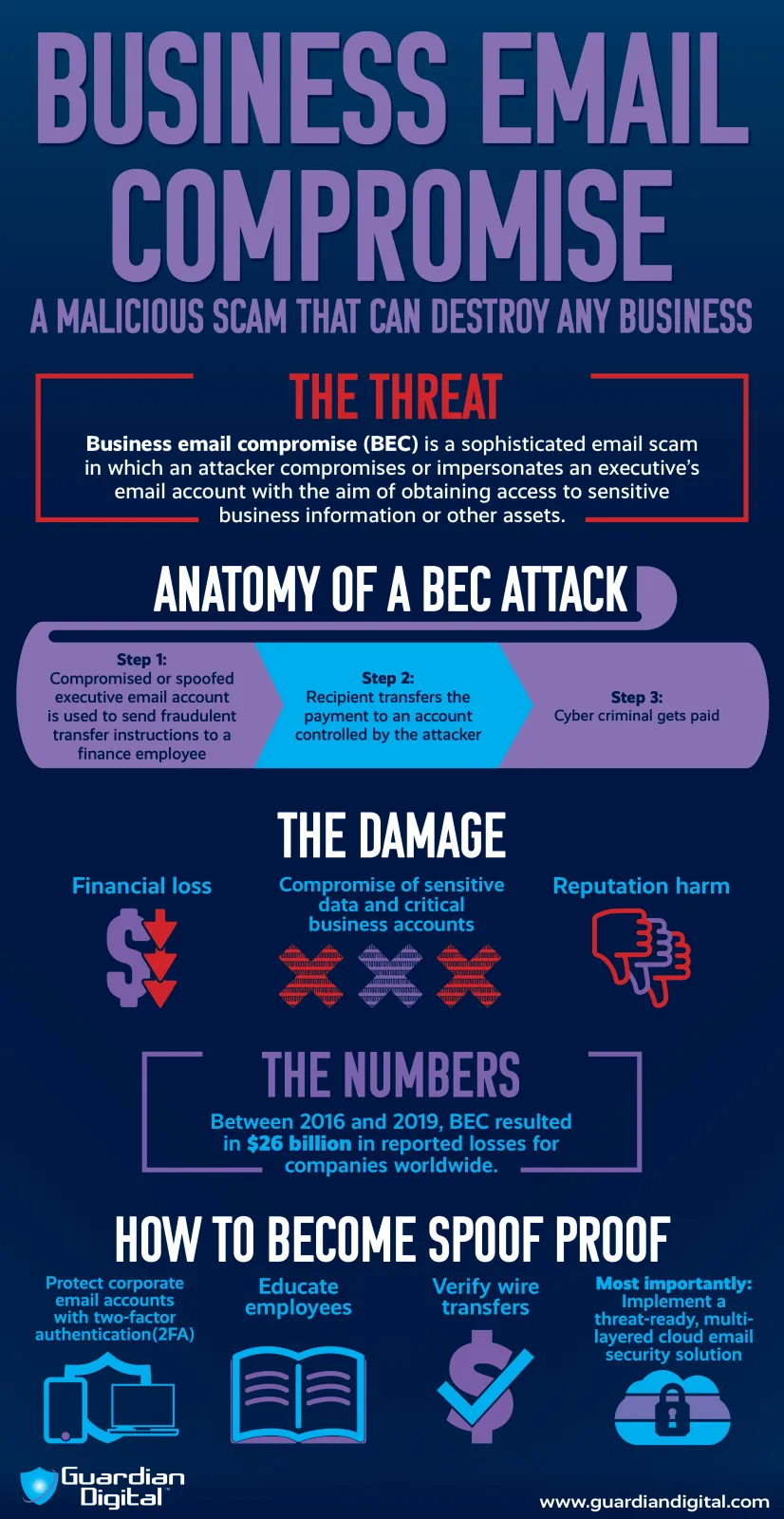
Usually, it starts with a compromised mailbox. The attacker reads ongoing conversations for a few days, figures out who approves payments or shares documents, then replies inside the thread. Consistent subject, signature, and writing style make it seem like they belong there. In a lot of business email compromise cases, the first real sign that something went wrong is a vendor asking why the wire transfer never arrived.
This article breaks down how attackers get into active conversations, why these attacks blend in so well, and what SOC teams actually look for when standard phishing indicators stop helping.
What Is Email Thread Hijacking? 
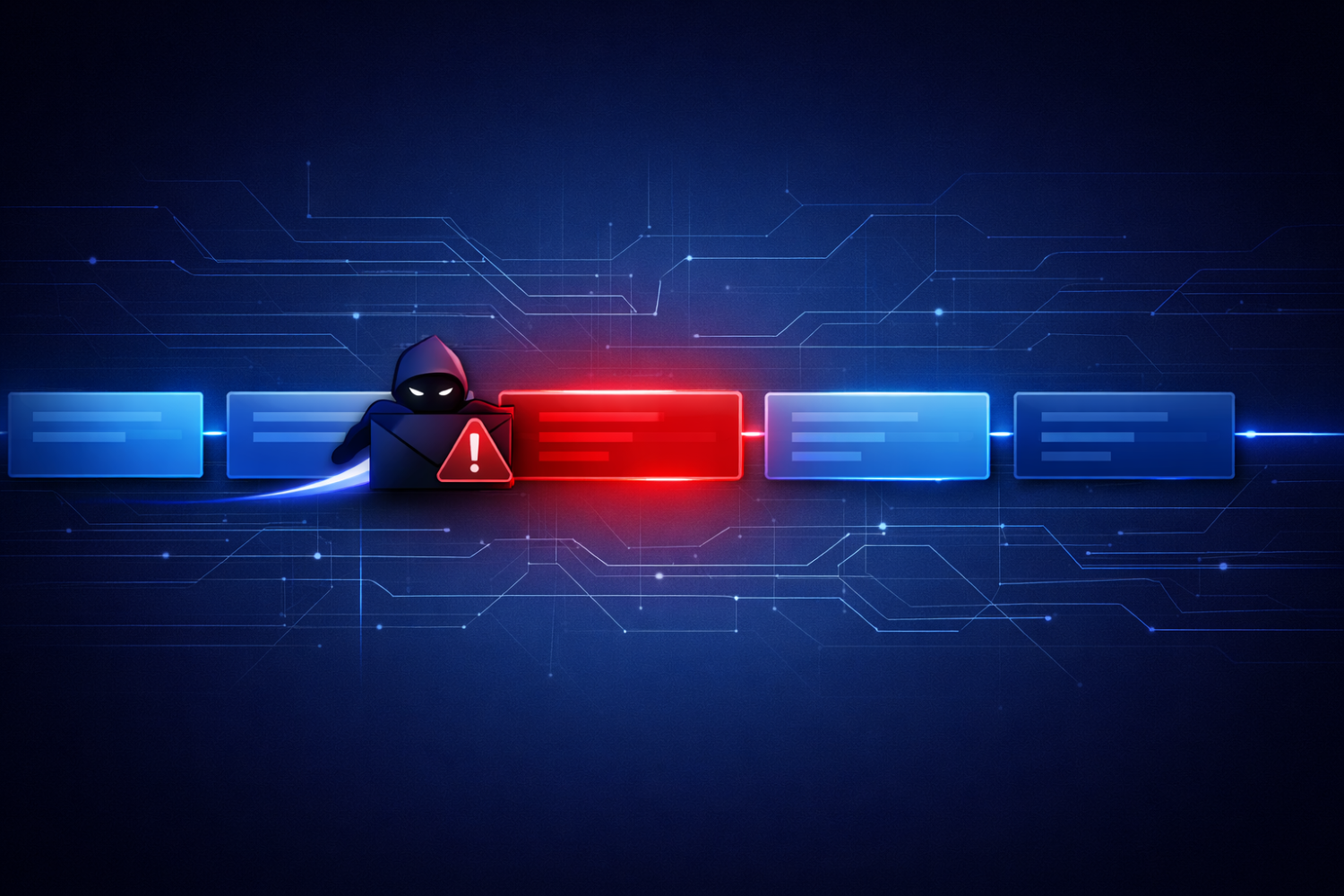
Thread hijacking is when an attacker with mailbox access finds an active conversation and then inserts themselves into the middle of it. No fake cold email. They use a real thread that people already trust and keep the conversation moving until someone sends money, shares credentials, or opens the wrong file.
That’s one of the main differences between thread hijacking and a typical phishing campaign. Generic phishing still relies on volume and luck. A compromised mailbox gives the attacker context instead. They can see who talks to finance, which vendors are active, what invoices look like, and even how employees write under pressure. A well-crafted reply inside an existing thread is less likely to raise alarms than a fake “urgent action required” message from an unknown sender. The targeting and specificity of thread hijacking work similarly to a spear phishing attack.
The targets are predictable. Finance teams handling wire transfers. Procurement staff working with outside vendors. HR departments are moving sensitive documents back and forth. Legal teams are approving contracts late at night before deadlines. Executives too. Anyone tied to approvals or sensitive data eventually ends up in scope.
Cloud email platforms conveniently give thread hijackers more information to work with. Once attackers gain access to a mailbox, they automatically inherit months or years of conversation history. Search functions let them map relationships fast. Some crews sit quietly and watch threads for days before sending anything because timing matters more than speed here. A fake invoice dropped into the middle of a real procurement chain has a much better chance of getting paid than a standalone phishing email ever will.
Common Entry Points Behind Email Thread Hijacking
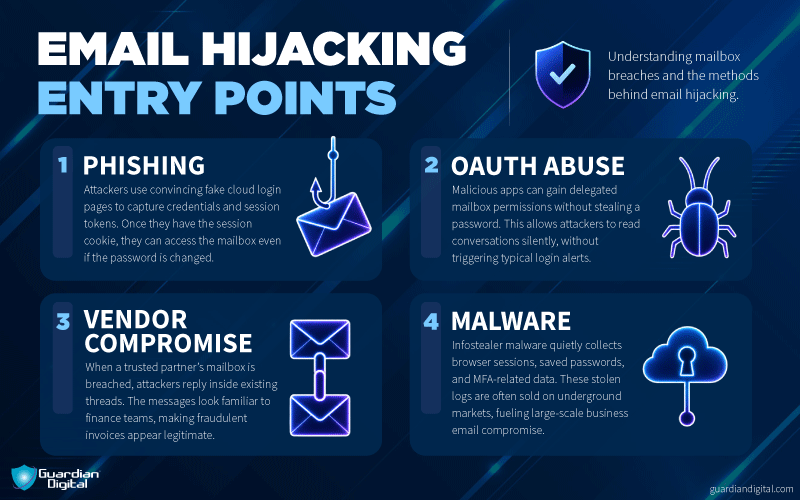
Before thread hijacking can work, the attacker needs mailbox access. The initial compromise can happen in several ways:
Phishing: Phishing kits still work because people are busy, and cloud login pages all look familiar now. We see cases where a user logs into a fake portal, the attacker grabs the credentials and active session token immediately, then starts pulling mailbox data within minutes. Sometimes the password gets reset quickly. Doesn’t matter much if the attacker already stole the session cookie.
Malware: Infostealer malware is a cheap, low-effort way to get access. A compromised laptop can leak browser sessions, saved passwords, mailbox tokens, and even MFA-related data without the user noticing anything unusual. A lot of business email compromise activity now starts with logs sold on underground markets instead of direct phishing campaigns.
Vendor compromise: If attackers get into a trusted partner’s mailbox, they can reply inside existing threads from the real account. Finance teams see a known sender, a familiar subject line, and an invoice that looks close enough to normal. Compromised Microsoft 365 accounts often become the foothold for these attacks.
OAuth abuse: Compromise doesn’t always require a stolen password to be involved. If users approve a malicious cloud app request, the attacker gets mailbox access through delegated permissions. From there, they can read conversations without generating the login activity defenders normally expect to see.
Avoiding Inbox Compromise
Email thread hijacking is much easier to prevent before attackers gain access to inboxes. Limiting external app permissions and training employees to recognize common phishing emails and handle attachments safely are key to stopping this foothold in your email system.
How Thread Hijacking Exploits Trusted Email Conversations
Once attackers get into a mailbox, they usually slow down instead of speeding up. They read old conversations, watch how people talk to each other, figure out who approves payments, who pushes paperwork through quickly, and who ignores security warnings. A decent attacker does reconnaissance the same way an internal employee would learn the environment.
They learn to accurately copy tone, signatures, formatting, and even small habits like shortened names or reply timing. Some business email compromise crews deliberately keep grammatical mistakes because perfect writing looks suspicious in certain environments. Guardian Digital covered how these business impersonation attacks increasingly rely on realism instead of obvious deception.
Business Email Compromise and Thread Hijacking Tactics
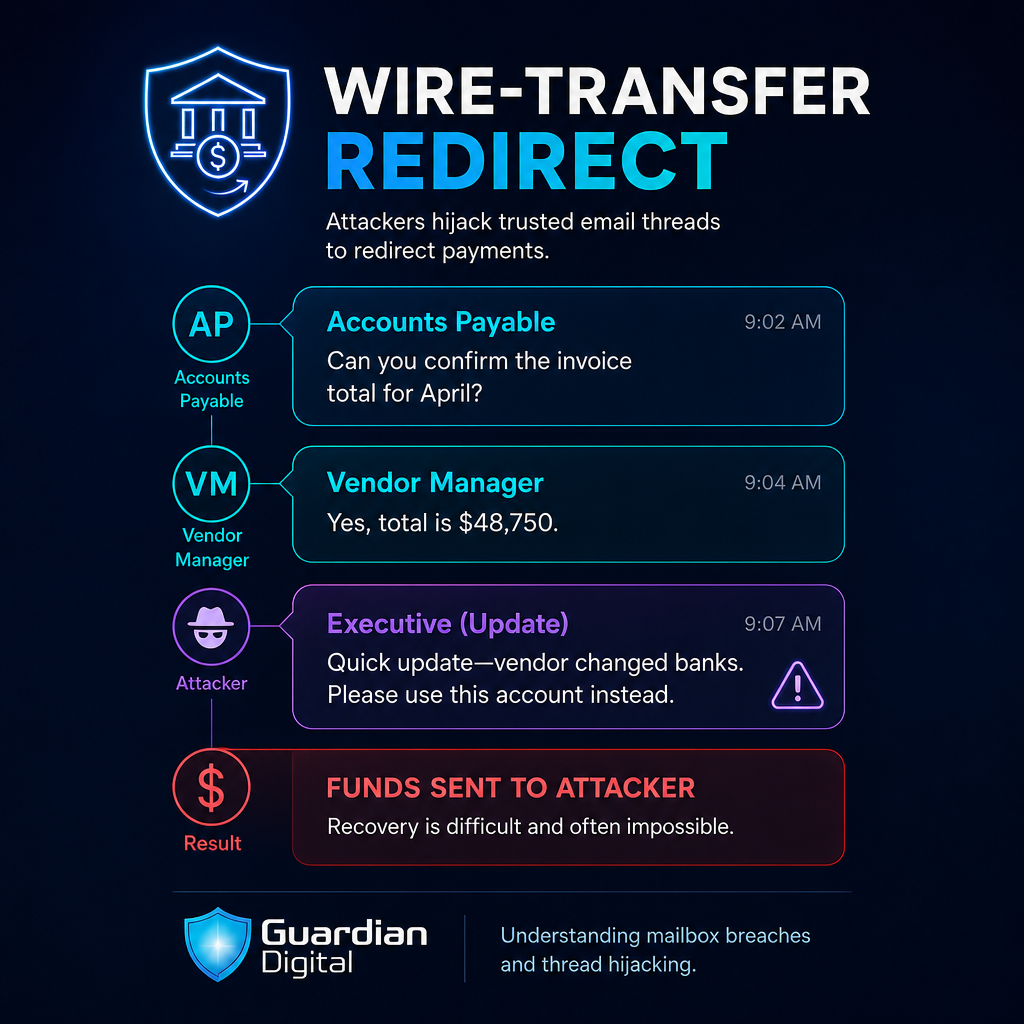
The invoice scam is still one of the most common plays because it often works well enough to keep showing up. An attacker gets into a mailbox, waits for a procurement or payment thread, then drops in an “updated” invoice with different banking details. Sometimes, the only change is a single account number buried in a PDF nobody compares closely. This kind of invoice fraud can slip through defenses when the message itself looks legitimate.
Wire transfer redirects follow the same pattern. The attacker watches a payment approval process long enough to understand who signs off, who usually replies last, and when finance teams are busiest. Then they step in near the end of the thread with an urgent update. “Use this account instead.” “Vendor changed banks.” “Need this processed today.” Small changes. Big consequences.
Document-sharing threads get abused a lot, too. HR files, contracts, procurement forms, and onboarding docs. The attacker replies naturally inside the conversation and asks the recipient to reopen or review an updated file through a malicious link. Because the request arrives in the middle of a legitimate thread, users treat it like routine work instead of a phishing attempt.
Some crews push further once they realize multiple organizations are involved in the same conversation. One compromised mailbox turns into access across vendors, contractors, legal firms, or customers because everyone in the thread already trusts each other. That lateral spread happens quietly. By the time somebody notices suspicious forwarding rules or strange replies, the attacker may already be sitting in several separate email environments at once.
One thing we keep seeing in business email compromise cases is how long compromised accounts stay active before anybody notices. Attackers are careful now. They don’t always send obvious phishing messages right away. Sometimes they just monitor mailboxes quietly, create forwarding rules, or collect conversation history until the right opportunity shows up. Prolonged account takeover activity often becomes the real risk multiplier in these incidents.
Detecting and Preventing Email Thread Hijacking Attacks
Thread hijacking is difficult to catch because the attacker is often using a real mailbox inside a legitimate conversation. The emails themselves may not look malicious at all. No fake sender domain, no obvious phishing language, no strange attachment. That forces email security teams to focus more on behavior than message content. A finance user suddenly logging in from another country, mailbox forwarding rules created after hours, or a spike in external replies from a normally quiet account usually matters more than the email body itself.
Cloud platforms complicated this further because conversations now move across Teams, SharePoint, OneDrive, Slack, and vendor portals constantly. Once attackers compromise one account, they follow those connections looking for approvals, documents, and reusable sessions. Modern protection against BEC depends on correlating identity activity, mailbox behavior, and cloud access patterns together. Human review still matters, but most SOC teams rely on anomaly detection and mailbox data logs to catch compromised accounts before fraudulent requests blend into normal business traffic.
Email Security Signals SOC Teams Monitor
Most thread hijacking investigations start with something small that looks out of place. SOC teams watch for changes tied to payment workflows because attackers tend to target the same business processes repeatedly. Updated banking details in long-running email chains, unusual attachment downloads, spikes in external forwarding activity, or dormant accounts suddenly becoming active again all raise questions.
- Impossible Travel Logins: A user authenticates from New Jersey, then appears in Eastern Europe twenty minutes later. That usually means stolen sessions, VPN abuse, or residential proxy traffic tied to account takeover activity.
- Sudden Inbox Forwarding Rules: Attackers love forwarding rules because they provide quiet persistence. A compromised mailbox starts automatically sending copies of finance or vendor emails to an external account without the user noticing.
- Abnormal Reply Volume: A mailbox that normally sends a handful of external emails per day suddenly starts replying across dozens of active threads. That kind of spike often shows up during thread hijacking campaigns where attackers are searching for payment opportunities.
- Changes to Payment Discussions: SOC teams pay close attention to updated banking details, urgent invoice replacements, or payment rerouting requests inside existing conversations. Those changes appear constantly in attempts to identify BEC activity before money moves.
- Dormant Accounts Becoming Active: Old mailboxes with little activity suddenly sending replies or accessing vendor conversations is another common signal. Attackers sometimes target forgotten accounts because they attract less attention from users and administrators.
- Unusual OAuth Consent Activity: A user who never connects third-party apps suddenly grants mailbox permissions to an unfamiliar cloud application. That can indicate OAuth abuse where attackers gain long-term email access without stealing the password directly.
- After-Hours Mailbox Access: Late-night logins are not automatically malicious, but they matter when paired with forwarding rule creation, attachment downloads, or unusual reply behavior. Attackers often work during off-hours because fewer people are watching the environment closely.
Security Controls That Reduce Thread Hijacking Risk
A lot of organizations already have spam filtering, MFA, and secure email gateways deployed. The issue is that thread hijacking usually starts after the attacker gets into a real mailbox. At that point, defenders are dealing with account abuse and session monitoring more than classic phishing detection.
- MFA That Resists Session Theft: MFA still matters, but attackers increasingly steal browser sessions after login instead of trying to brute-force passwords. Hardware-backed MFA helps because it makes session replay and phishing kits harder to use successfully.
- Continuous Mailbox Monitoring: This is one of the biggest ones. Attackers sitting inside mailboxes tend to create forwarding rules, monitor finance conversations, and reply from unusual locations or devices. Those changes are often easier to spot than the malicious email itself.
- Link Isolation and Attachment Sandboxing: Even legitimate conversations can become dangerous after a mailbox gets compromised. Finance threads, HR discussions, vendor approvals. All normal until somebody drops in a weaponized attachment or fake document link halfway through the exchange.
- DMARC, DKIM, and SPF Enforcement: These controls will not stop a compromised internal mailbox, but they still cut down on spoofing attempts and fake vendor domains. Attackers mix those tactics together more often than people realize.
- Vendor Verification Workflows: A quick phone call or secondary approval process still prevents a lot of fraud. Most successful wire transfer scams happen because somebody trusted the email thread alone without validating the request another way.
- Identity and Cloud Activity Correlation: Email does not live by itself anymore. Attackers move through Teams, SharePoint, OneDrive, and cloud apps once they get access. SOC teams need visibility across all of it because mailbox activity by itself rarely tells the full story.
Prevent Account Compromise and Thread Hijacking with Managed Email Security
Most thread hijacking attacks do not look malicious right away. The attacker is using a legitimate mailbox, replying inside an active conversation, and blending into workflows employees already trust. That is why managed email security has shifted toward monitoring behavior instead of only filtering messages. Suspicious forwarding rules, unusual reply patterns, abnormal cloud app access, and payment-related conversation changes often tell defenders more than the email itself.
Visibility matters here because attackers rarely stay confined to one inbox. Once they gain access, they move through Teams chats, SharePoint links, vendor conversations, and cloud storage looking for financial approvals or additional accounts to compromise. Faster triage reduces how long attackers can sit inside active threads collecting information before somebody notices. Modern approaches to email impersonation attacks increasingly rely on layered email security, continuous monitoring, and AI-assisted analysis of suspicious conversation behavior to catch account abuse before it turns into fraud or broader business email compromise.
Conclusion
Thread hijacking works because attackers stop looking like outsiders. Once they get into a real mailbox, they inherit trust automatically and blend into conversations employees are already handling every day. No fake sender domain. No obvious phishing lure. Just a normal-looking reply dropped into the middle of a finance thread or vendor discussion at the right moment.
That is what makes these incidents difficult for both users and defenders. Traditional phishing indicators often disappear once the attacker is operating from a legitimate account. Modern email security depends more on spotting abnormal behavior, compromised sessions, suspicious mailbox activity, and identity misuse before attackers can sit inside conversations long enough to turn access into fraud or broader compromise.
Email Thread Hijacking FAQ
Below are some important questions for understanding how thread hijacking attacks operate.
How do attackers hide inside legitimate email conversations?
Usually, by compromising a real mailbox first. Once they’re in, they just reply inside existing threads people are already working in. Same sender. Same subject line. Same vendor or employee everybody has been talking to for days.
Why is thread hijacking harder to detect than traditional phishing?
Because a lot of the normal phishing red flags disappear. The account is real, the conversation is real, and the request often looks close enough to normal business activity that users stop questioning it.
What are the first signs of a compromised email thread?
Small things at first. Weird forwarding rules, unusual login locations, payment changes nobody expected, or a user suddenly replying to external contacts they normally never interact with. A lot of incidents only get noticed after the finance department starts asking questions.
Can attackers hijack email threads without stealing passwords?
Yeah. Stolen browser sessions and OAuth abuse show up constantly now. In some cases, the attacker never even needs the password if they can grab an active session token from the user’s device.
How does business email compromise lead to wire transfer fraud?
The attacker watches a payment conversation long enough to understand the workflow, then changes banking details or sends an “updated” invoice at the right moment. Since the request lands inside a trusted thread, people process it faster than they should.
Why do finance teams get targeted most often?
Finance moves money and approves vendors all day. Attackers go after the workflows tied directly to payments, invoices, contracts, and banking updates because that’s where small changes can turn into large losses quickly.
What role do stolen session cookies play in thread hijacking attacks?
They let attackers reuse a logged-in session without needing to authenticate normally. That’s why MFA by itself does not stop every compromise anymore. If the session is already trusted, the attacker can inherit that access.
How do SOC teams detect suspicious mailbox behavior?
Mostly through behavior patterns. Impossible travel logins, abnormal reply volume, inbox rules created after hours, unusual OAuth grants, or dormant mailboxes suddenly becoming active again. The email itself often looks completely normal.
Can Microsoft 365 native protections stop thread hijacking attacks?
They help with basic phishing and malware, but thread hijacking is harder because the attacker is often operating from a legitimate account. That usually requires additional monitoring around identity activity, mailbox behavior, and cloud access patterns.
What security controls help prevent email thread hijacking?
Phishing-resistant MFA helps. So does mailbox monitoring, anomaly detection, vendor verification outside the email thread, and better visibility into cloud identity activity. Most teams catching these attacks early are correlating multiple signals together instead of relying on one control alone.


 PREVIOUS

 NEXT
NEXT

In this article
Stay Informed with Our Latest Insights
- Why Email Thread Hijacking Makes Compromise Harder to Detect
- Calendar Phishing Attacks: How Malicious Invites Bypass Email Defenses and Change Enterprise Risk
- SaaS Attacks and Email Security: How SaaS Platforms Became the Delivery Layer
- Data Leaks from AI-Generated Code Are Fueling Email Breaches
- How to Protect Your Business Against Spear Phishing: A Defense Playbook

Join Our Community
of Readers!
Must Read Blog Posts
- Phishing Scams in 2026: The Rise of AI and Deepfake Risks
- Understanding Email Viruses: Detection, Prevention, and Security Strategies
- Effective Phishing Protection: Strategies and Training for Businesses
- Essential Ransomware Strategies for Effective Business Protection
- Maximizing Email Security: Advanced Strategies for Threat Defense
- Microsoft 365 Phishing: Why Attacks Still Reach Inboxes and How to Stop Them